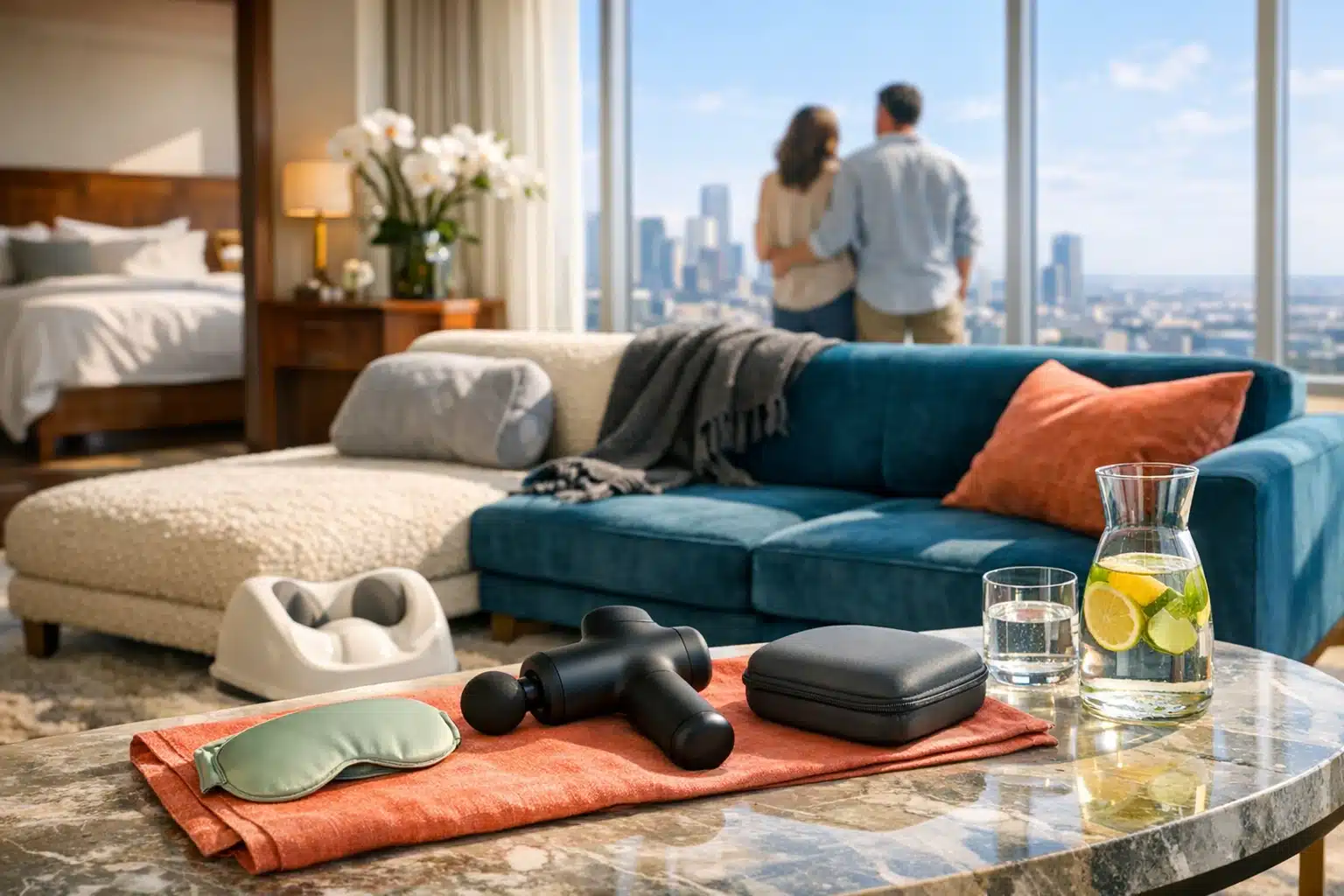
Top 10 Vibration Relaxation Gadgets For Couples
Introduction, Outline, and What Makes a Great Couples Relaxation Gadget
Relaxation gadgets built around vibration are no longer niche purchases; they now sit at the crossroads of wellness, convenience, and shared downtime at home. For couples, the appeal is simple: one tool can turn a rushed evening into a calmer routine, whether the goal is easing shoulder tension, softening foot fatigue, or creating a more soothing bedroom atmosphere. Choosing well matters, because comfort, noise, battery life, and hygiene can decide whether a device becomes a weekly ritual or a forgotten novelty.
Before jumping into the top ten, it helps to map the article clearly. Here is the outline this guide follows:
• why vibration-based relaxation gadgets matter for couples
• the top ten categories, grouped by how they are used
• comparisons based on comfort, portability, sound, maintenance, and value
• practical buying advice for couples with different routines, budgets, and space limitations
The reason these gadgets have become relevant is easy to understand. Many couples work long hours, spend too much time sitting, travel often, or carry physical tension into the evening. A well-chosen device can support a short reset without demanding a full spa appointment, a dedicated treatment room, or complicated setup. In the best cases, relaxation becomes more repeatable because the gadget is close at hand, easy to charge, and simple enough to use for ten or fifteen minutes after dinner, after exercise, or before sleep.
Still, not every device works equally well for two people. A good couples gadget usually does four things well. First, it offers adjustable intensity, because one person’s perfect setting may feel too weak or too strong to the other. Second, it keeps noise under control; a loud motor can ruin the very mood it is supposed to improve. Third, it is easy to clean, especially if it is shared often or used on skin, hair, or fabrics. Fourth, it fits naturally into real life. Portability, power source, heat settings, washable covers, app controls, and storage size matter more than flashy marketing language.
That is why the list below does not chase novelty for novelty’s sake. Instead, it focuses on categories that repeatedly prove useful in homes, on trips, and during ordinary evenings when both people want to feel better without turning relaxation into a project.
1 to 3: Massage Pillows, Massage Guns, and Wearable Neck-and-Shoulder Wraps
1. Vibrating massage pillows remain one of the most practical starting points for couples because they are versatile, compact, and easy to share. Most consumer models combine kneading nodes with mild vibration and optional heat, usually in the warm-but-safe range commonly marketed for comfort use. They work well on the lower back, upper shoulders, calves, and even thighs after a walk or workout. Compared with bulkier chairs, a massage pillow costs less, stores more easily, and can move from sofa to office chair to bed in minutes. The trade-off is coverage: it targets smaller zones, so it is ideal for focused relief rather than full-body treatment.
2. Massage guns are a different creature altogether. They tend to deliver more power, often with multiple attachments and speed levels that vary widely across models. For couples, the best versions are not necessarily the most aggressive. A device with soft foam heads, ergonomic grip, and quieter operation is usually more useful than an ultra-powerful model designed for athletes chasing deep percussion after intense training. These tools are excellent for calves, glutes, hamstrings, and shoulders, but they require a little care and communication. One partner often uses it on the other, which can be helpful, but it also means technique matters. Used gently and correctly, a massage gun can feel like a quick tune-up; used carelessly, it can feel more like a jackhammer than a wellness aid.
3. Wearable neck-and-shoulder wraps are often the crowd-pleasers of this category. They drape over the shoulders, distribute weight fairly evenly, and usually combine vibration, kneading, and heat in a shape that encourages hands-free or semi-hands-free use. For couples who carry desk-related tension, these wraps often feel more intuitive than a massage gun because there is less guesswork. Many models also include arm loops or weighted ends, which help keep the unit in place. Here is the practical comparison:
• massage pillows win on portability and price
• massage guns win on intensity and muscle targeting
• neck wraps win on comfort and ease of use
If a couple wants one first purchase, the neck-and-shoulder wrap is often the safest all-rounder. If they already know they want stronger muscle work, a massage gun may be the better fit. If space is tight and flexibility matters most, the massage pillow earns its spot.
4 to 6: Foot Massagers, Eye Relaxation Devices, and Vibrating Seat Cushions
4. Foot massagers are easy to underestimate until the end of a long day, when the feet seem to remember every staircase, commute, and uneven sidewalk. For couples, this category works especially well because it suits a turn-taking routine: one person uses it while reading, the other follows while watching a show, and suddenly the living room feels a little more civilized. Many models combine vibration with compression, rolling elements, and optional heat. The best comparison point is fit. Some units comfortably accommodate a broad size range, while others feel cramped for larger feet. Another consideration is interior lining; removable or wipe-clean linings make shared use much more practical. Compared with back-focused devices, foot massagers are less versatile, but their comfort payoff can be immediate and surprisingly noticeable.
5. Eye and temple relaxation devices appeal to couples who struggle with screen fatigue, tension headaches, or bedtime overstimulation. These gadgets typically use gentle vibration, warmth, and light pressure around the brow and eye area. Some also include audio features, though not everyone enjoys built-in sounds, so the ability to mute them is a genuine advantage. Their strength is not raw intensity; it is atmosphere. Used for ten to fifteen minutes, they can create a transition between work mode and rest mode. That said, they are more personal than other shared devices because face shape, sensitivity, and comfort tolerance vary a lot. A good couple’s choice will have adjustable straps, soft contact materials, and a clear warning system for people with eye conditions or recent procedures.
6. Vibrating seat cushions and full-back mats sit in a useful middle ground between portable gadgets and furniture-scale massage products. They usually feature multiple vibration zones, optional heat, and home or car adapters. For couples with limited room, they are an efficient choice because one cushion can be used on a desk chair in the afternoon and a sofa in the evening. They are also less intimidating than massage guns and broader in coverage than a massage pillow. Their main limitation is depth; vibration mats generally soothe and warm, but they do not mimic the stronger muscle work of percussion tools.
In simple terms:
• choose a foot massager for end-of-day recovery
• choose an eye device for decompression and bedtime routines
• choose a seat cushion for broad, low-effort comfort across different settings
These three categories work best for couples who value regular use over technical power. They are the gadgets that quietly become part of the furniture of daily life, and that is often a better outcome than a device that feels impressive only on the first weekend.
7 to 10: Scalp Massagers, Sleep Pads, Pocket Devices, and Intimate Wellness Options
7. Vibrating scalp massagers may look simple, but good ones can be deeply effective in the right context. Some use soft silicone tips with compact motors, while others combine rhythmic movement with manual flexibility. They are especially useful for couples who enjoy head or scalp massage but do not want to rely entirely on hand strength at the end of the day. Waterproof designs are common, which makes them appealing for shower use, though dry use on the couch or before bed is just as popular. The key comparison points are motor smoothness, weight, and handle comfort. A jerky device feels cheap very quickly; a balanced one feels like a small luxury.
8. Smart sleep pads or under-mattress vibration devices bring a more ambient style of relaxation. Instead of targeting one muscle group, they create gentle pulses beneath part of the body or across a sleep surface. Some are designed mainly as silent alarms, while others include pre-sleep relaxation modes or dual-side controls, which is a major benefit for couples with different preferences. This category shines when the goal is routine rather than intensity. It is less about kneading out knots and more about helping the body shift gears. For couples with mismatched schedules, dual-zone control can be the difference between thoughtful design and nightly annoyance.
9. Pocket-size palm massagers and mini vibration tools deserve a place on the list because they are often the most used travel option. They fit into drawers, bags, and carry-ons, making them handy for weekend trips, hotel stays, and office recovery. Their strengths are portability and convenience, not deep power. They work best on hands, forearms, calves, and smaller tension points. If a couple travels regularly, this category often earns more real-world use than a larger home-only device.
10. Intimate wellness massagers designed for couples belong in the conversation as well, provided the focus stays on comfort, consent, quality materials, and shared relaxation rather than hype. In this category, the important factors are body-safe materials, quiet motors, simple controls, waterproof construction where relevant, and clear charging or cleaning instructions. App-connected features can be useful for personalization, but they are not automatically better; sometimes a well-designed button interface is faster and less distracting. Because these are more personal devices, couples should pay extra attention to hygiene, storage, and mutual preferences. The right product in this space is discreet, easy to maintain, and respectful of individual comfort levels.
Taken together, these four categories show how broad the field has become. Some gadgets work like targeted tools, others act more like atmosphere builders, and the best choice depends on whether a couple wants recovery, convenience, bedtime calm, or a more private wellness experience.
How Couples Should Compare Features, Avoid Common Mistakes, and Choose the Right Fit
By the time a couple has scanned a few product pages, the market can start to sound like a parade of identical promises. That is where a grounded comparison helps. Instead of asking which gadget is the most advanced, it is smarter to ask which one fits your actual evenings. A couple that mostly wants relief after work will often get more value from a neck wrap, foot massager, or seat cushion than from a high-powered percussion tool. A pair that travels often may prefer compact devices with USB-C charging, solid battery life, and a case that keeps everything tidy. People who care about low sensory clutter should pay close attention to noise level, shutoff timers, and the ability to disable music, lights, or app notifications.
There are also some common buying mistakes. One is overestimating how much intensity is needed. Stronger is not always better, especially when the device is meant to be shared. Another is ignoring maintenance. A gadget with awkward seams, fabric that traps sweat, or a poor charging design can become inconvenient fast. A third mistake is buying based only on novelty. The small miracle of a useful relaxation device is not that it looks futuristic; it is that it gets used again next Tuesday.
A practical checklist can make the decision easier:
• adjustable intensity for different tolerance levels
• quiet enough for conversation, reading, or winding down
• easy-to-clean surfaces or removable covers
• sensible size for your home and storage habits
• timer and heat settings that feel straightforward
• warranty and return policy that reduce risk
For many couples, the strongest first purchase is still the one that blends simplicity with flexibility. A massage pillow, neck wrap, or foot massager usually offers the lowest learning curve and the highest chance of becoming part of a weekly rhythm. More specialized gadgets, including sleep pads or intimate wellness devices, make more sense once you know what kind of relaxation you actually enjoy together.
The final takeaway is refreshingly ordinary: the best vibration relaxation gadget is the one that matches your shared habits, not the one with the flashiest product page. Choose the tool that feels easy to reach for, comfortable to use, and worth repeating. When that happens, the device stops being a gadget and starts becoming part of your routine, which is exactly what most couples are looking for in the first place.