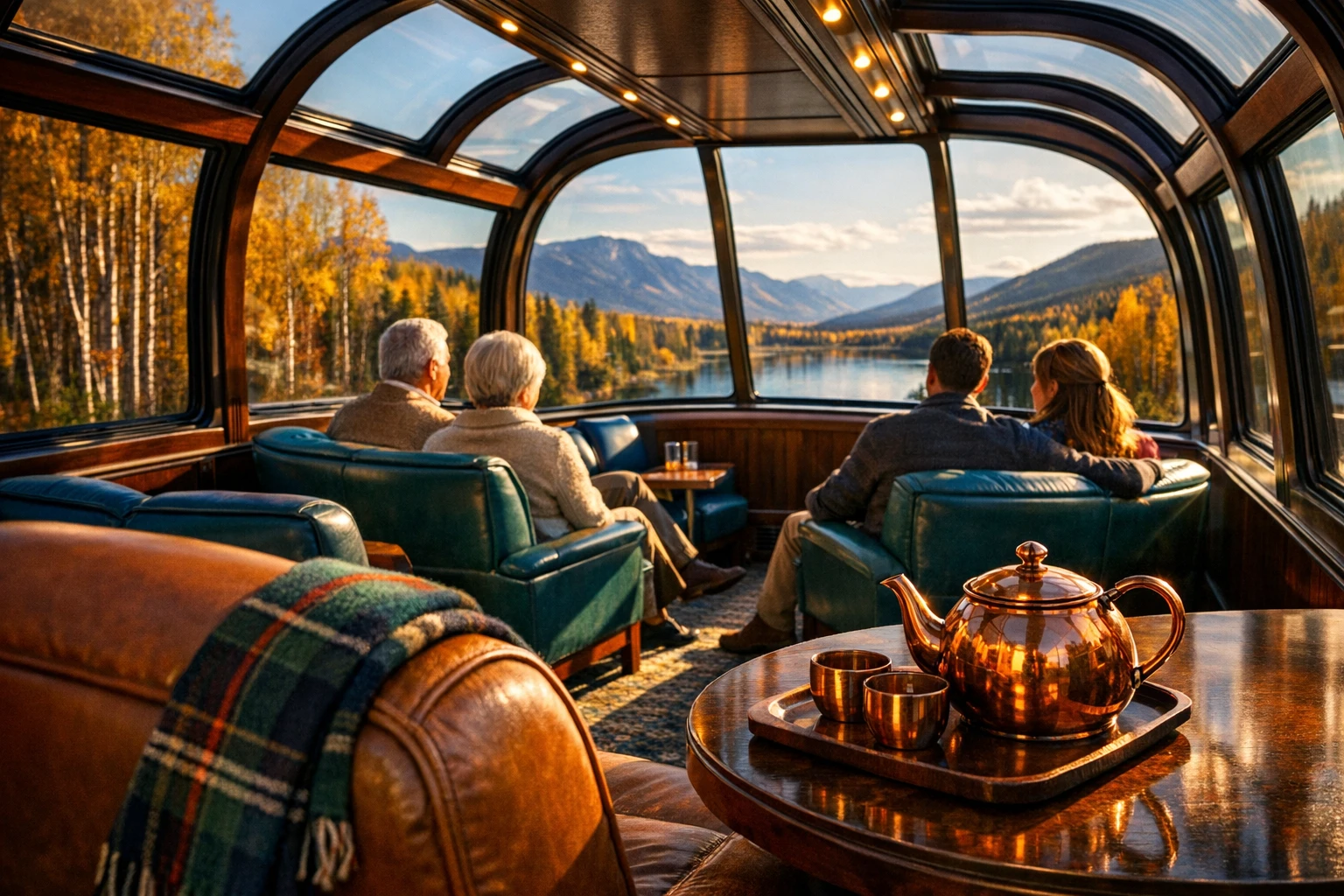
Best Scenic Train Trips for Seniors, Including Options for Limited Walking
Train travel can be one of the most comfortable ways for older adults to see new landscapes without the strain of long airport lines, cramped seating, or constant driving. For seniors, and especially for travelers who prefer short distances on foot, the right rail journey combines scenery, stability, and a pace that feels humane. This guide looks at how to compare routes, accessibility features, and comfort levels so each day feels manageable. It also points toward scenic trips that reward the window seat rather than demand an exhausting itinerary.
Outline: What This Guide Covers and Why Rail Travel Works So Well for Many Seniors
Before choosing a route, it helps to understand the larger picture. This article is organized in five parts so readers can move from inspiration to practical decision-making without guesswork. First, it explains why train travel often appeals to older adults who want a calmer style of holiday. Second, it looks at the main booking and comfort factors that shape a good senior-friendly rail experience. Third, it focuses on trips for travelers with limited walking and shows what to check before paying for a ticket. Fourth, it compares scenic routes that are especially rewarding for seniors because much of the magic happens right outside the window. Finally, it ends with a conclusion built around realistic advice for older travelers, not idealized brochures.
Rail travel has several natural advantages for seniors. On many routes, the journey itself is the attraction, which means less pressure to rush from site to site. Trains usually allow passengers to settle in, stand up carefully, move through the aisle when appropriate, and enjoy changing views without the stop-and-go fatigue of highway travel. Compared with air travel, rail trips can feel less compressed. Compared with long road trips, they reduce the burden of driving, navigation, and frequent rest-stop planning. The simple pleasure of watching rivers, forests, farmland, coastlines, and towns pass by can turn transit time into leisure time.
That said, not every train trip is automatically senior-friendly. A scenic route can still be tiring if it includes complicated transfers, steep station stairs, or long platform walks. A famous rail holiday may look wonderful in photos but feel demanding if the schedule starts before dawn, changes hotels every night, or requires bus excursions at every stop. For that reason, the guide uses a practical lens rather than a dreamy one.
Key questions appear throughout the article: • How much walking is required from station entrance to seat? • Is the route mainly daytime or overnight? • Are meals, luggage help, and accessible restrooms available? • Does the scenery come to the traveler, or must the traveler chase it?
That final question matters more than many people expect. For some seniors, the best trip is not the most famous route. It is the one that feels spacious, understandable, and easy to enjoy. A good rail journey should leave room for curiosity, conversation, and rest. It should feel less like a test of stamina and more like a long exhale.
How to Choose the Right Train Trip for Seniors: Comfort, Timing, Budget, and Pace
Choosing a train trip for seniors begins with an honest look at comfort needs. Many older travelers are not seeking nonstop activity; they are seeking a holiday that feels generous with time and manageable in effort. That makes route length, departure time, seat type, and overnight arrangements more important than flashy marketing language. A four-hour scenic ride can be ideal for one traveler, while another may prefer a two-night rail experience with a private sleeper, meals included, and no need to handle bags more than once.
One useful comparison is daytime travel versus overnight travel. Daytime routes are often simpler because travelers remain oriented, can appreciate the scenery continuously, and usually avoid the challenge of sleeping on a moving train. They are especially appealing for first-time senior rail passengers. Overnight services, however, can make sense when a long distance must be covered without spending extra days in transit. A private sleeper may offer greater comfort, but travelers should still consider onboard motion, nighttime restroom access, and whether climbing into an upper berth is required. If mobility is reduced, a lower berth or accessible room is the safer choice.
Budget also shapes the experience. Standard seats can work well on shorter trips, but longer scenic routes are often much more comfortable in premium seating or sleeper accommodation. The reason is not luxury for its own sake. Extra space, quieter surroundings, easier meal access, and fewer transfers can make a noticeable difference in fatigue levels. For many seniors, paying more for direct travel and easier boarding provides better value than saving money on a complicated itinerary.
When comparing routes, consider the full travel day, not just the train itself. A beautiful journey becomes less appealing if it begins with a two-hour drive to an inaccessible station or ends with a confusing transfer late at night. It helps to think in layers: • Home to station • Station to seat • Time spent onboard • Arrival platform to hotel or return transport
Season matters too. Scenic rail routes are often at their best in spring for wildflowers, autumn for foliage, or early summer for long daylight hours. Winter trips can be magical, especially in snowy mountain regions, but they may also bring icy pavements, bulky clothing, and weather delays. Seniors who prefer stable conditions often do best in shoulder seasons, when temperatures are moderate and crowds are lighter.
Finally, choose a trip that matches your travel temperament. Some people love the romance of a famous rail line and want formal dining, observation cars, and a long horizon. Others simply want a clean seat, a smooth ride, and a landscape that unfolds like a film. Neither preference is more valid. The best choice is the one that supports your energy level, your budget, and the way you actually like to travel.
Train Trips for Seniors With Limited Walking: Accessibility, Transfer Planning, and Low-Stress Design
For seniors with limited walking, the best train trip is not defined only by scenery. It is defined by how easily the traveler can move from one stage of the journey to the next. That includes arriving at the station, finding the right platform, boarding safely, reaching the seat or cabin, using the restroom, handling meals, and exiting at the destination. Even a short route can feel difficult if these pieces are poorly arranged, while a longer ride may feel surprisingly easy when accessibility is built into the plan.
The first step is to contact the rail operator directly before booking. Accessibility information online can be incomplete, outdated, or too general. Ask very specific questions. Is step-free access available from the station entrance to the platform? Are elevators reliable and located near the correct track? Is boarding level, ramp-assisted, or stair-based? Is there staff help for baggage and seating? How wide are the accessible doors? Can a walker or folded wheelchair be stored nearby? A senior traveler should never have to discover key limitations only after arriving at the station.
Another important issue is transfer design. Direct trains are usually the least stressful option for travelers with reduced stamina, joint pain, balance concerns, or breathing limitations. Every transfer adds walking, waiting, and uncertainty. If a connection cannot be avoided, allow generous time. A ten-minute transfer that looks efficient on paper may feel impossible in a crowded station. Larger hubs can involve escalators, elevators, long corridors, and changing platforms. For many seniors, an itinerary with one longer direct leg is preferable to two shorter segments with a rushed change in between.
Routes with limited walking are often those where the scenery is enjoyed from the seat rather than through off-train excursions. This distinction matters. Some luxury or scenic products include hotel check-ins, coach transfers, and guided stops. Those can be wonderful, but they may not suit travelers who want to conserve energy. By contrast, many classic rail routes offer the main reward through picture windows, lounge cars, and broad daylight travel. In those cases, the body can rest while the landscape does the performing.
Practical preparation helps enormously: • Request mobility assistance as early as possible. • Travel with lighter luggage or use a porter service if available. • Carry medications, water, glasses, and documents in a small personal bag. • Wear shoes with grip and clothing that is easy to adjust while seated. • Book seats near accessible restrooms or near the boarding door when possible.
If a traveler uses a cane, walker, or wheelchair, it is wise to confirm not only onboard access but also arrival logistics. A station may offer accessible boarding yet have limited taxi access or long distances to nearby hotels. The smoothest senior-friendly train trip is one that stays smooth after the train stops. In other words, accessibility is not a single feature. It is a chain, and every link matters.
Scenic Train Trips for Seniors: Routes That Deliver Big Views Without Requiring a Big Physical Effort
Scenic train travel holds a special appeal for seniors because it offers an elegant trade: the traveler stays relatively still while the world becomes dynamic. Mountains rise, rivers flash silver, farmland opens like a quilt, and small towns appear for a moment and drift away. For older adults, especially those who prefer a gentler pace, this style of travel can feel deeply satisfying. The view changes constantly, yet the day remains calm.
In North America, several routes are frequently praised for the quality of scenery visible directly from the train. The Amtrak Coast Starlight is known for a varied landscape that may include Pacific coastline segments, agricultural valleys, and mountain stretches, depending on the portion traveled. It suits seniors who enjoy a long, classic rail journey and want broad visual variety. The California Zephyr is often admired for mountain and canyon scenery, particularly in the western sections. For travelers who want dramatic geology and sweeping open space, it offers a strong sense of scale. VIA Rail’s Canadian is another iconic option, valued for forests, lakes, prairie, and the gradual transformation of the landscape over time. It is a longer commitment, but the scenery is central to the experience rather than an afterthought.
In Europe, scenic rail travel often combines excellent views with efficient station infrastructure, though accessibility still varies by route and country. Switzerland is especially famous for panoramic trains such as the Glacier Express and Bernina Express. These services are known for alpine scenery, bridges, valleys, and carefully designed sightseeing windows. For seniors, the main advantage is obvious: much of the spectacle is visible while seated. However, travelers should still check platform access, luggage handling, and seasonal crowd levels. The UK’s Settle-Carlisle line offers a different mood, with rolling countryside, stone viaducts, and a pace that feels less ceremonial than some luxury mountain routes. It can appeal to seniors who want scenery without the feeling of a packaged event.
Some comparisons are useful when choosing among scenic trips: • Mountain routes often provide the most dramatic views but may involve higher demand and more seasonal pricing. • Coastal routes can feel soothing and bright, especially for travelers who prefer lower altitudes and softer terrain. • Long-distance scenic trains offer immersion, while shorter regional lines are easier to fit into a broader holiday. • Premium panoramic trains may enhance visibility, but standard intercity routes can sometimes offer equally memorable landscapes at a lower cost.
For seniors with limited walking, the ideal scenic route often has three traits: accessible stations, minimal transfers, and views that begin soon after departure. A train that requires little effort before the scenery starts can feel almost cinematic. You settle into the seat, place a cup of tea by the window, and let the country arrive in chapters. That is the quiet brilliance of rail travel at its best. It gives beauty time to unfold.
Conclusion for Senior Travelers: How to Turn a Good Rail Holiday Into a Comfortable and Memorable One
For seniors, and especially for travelers who do not want long walks or tightly packed schedules, the best train trip is usually the one that respects energy as much as curiosity. Comfort is not a minor detail; it is the foundation of the whole experience. A route with excellent scenery, easy boarding, sensible timing, and manageable transfers will often provide more enjoyment than a famous itinerary that looks impressive but feels demanding in practice.
The strongest approach is to plan backward from your real needs. Start with your walking tolerance, not with a brochure photo. Decide how long you are happy to sit, whether you prefer daylight travel, how much station navigation you can comfortably manage, and what level of help you may need with luggage. Once those factors are clear, the list of suitable trips becomes much easier to sort through. This is particularly important for older adults traveling alone, with a spouse who has different mobility levels, or with family members who may underestimate the physical demands of transfers and excursions.
If there is one recurring lesson, it is this: direct, well-timed, accessible journeys tend to serve seniors best. They reduce stress before the trip begins, keep the body fresher during travel, and leave more room to enjoy the landscape. Scenic rail travel is not only about dramatic mountains or famous routes. It is also about the pleasure of a well-paced day, the reassurance of a seat that feels supportive, and the relief of knowing the next step is simple.
A final checklist can help: • Confirm accessibility and assistance directly with the operator. • Prefer fewer transfers, even if the ticket costs a bit more. • Choose scenery that can be appreciated from the seat. • Pack lightly and keep essentials close at hand. • Build in rest before and after major travel days.
For many older travelers, a great train journey is less about chasing landmarks and more about traveling well. It is the soft rhythm of wheels on the track, the freedom to look outward instead of watching traffic, and the comfort of arriving with some energy still left for dinner, conversation, or a short evening stroll. Done thoughtfully, train travel can be one of the most rewarding ways to see the world later in life: slower, wiser, and with a very good view.