Scenic Weekend Trips for Seniors With Limited Walking
A well-planned weekend away can do something wonderful: it refreshes the mind without asking too much from the body. For many older travelers, the ideal escape is not about rushing from one attraction to the next but about seeing something beautiful, sleeping comfortably, and returning home restored. Scenic breaks with lighter physical demands fit that purpose remarkably well. They ease strain, simplify decisions, and make room for conversation, rest, and unhurried enjoyment. This article explores smart, appealing ways to travel well at a gentler pace.
Outline: first, we look at how seniors can choose the right kind of weekend trip; next, we compare scenic rail and water-based journeys that reduce physical effort; then, we examine town, garden, and countryside escapes with strong visual appeal; after that, we cover practical planning for comfort, access, and safety; finally, we close with a summary aimed at helping older travelers match the right trip style to their needs and interests.
Choosing the Right Weekend Trip: Comfort, Distance, and Pace
The best weekend trips for seniors usually begin with a simple question: what kind of experience feels refreshing rather than tiring? That answer matters more than any famous destination. A place can be beautiful, historic, and highly rated, yet still be a poor choice if reaching the hotel requires long walks, steep stairs, or frequent transfers. By contrast, a smaller town with lakeside views, a quiet inn, and easy parking may deliver far more enjoyment. Comfort is not a compromise. It is part of the experience.
A useful rule of thumb for a two-day or three-day getaway is to keep travel time within about two to four hours when possible. That range leaves enough energy to enjoy dinner, a view, or a short outing on arrival day. It also reduces the pressure that often comes with flights, long drives, or tight connections. Seniors with limited walking may also find that staying in one hotel for the entire weekend is much easier than changing locations. Unpacking once, learning one layout, and getting familiar with one bathroom and one elevator can make a trip feel significantly calmer.
When comparing options, look beyond the destination photo and focus on the real mechanics of the trip. Important details include:
- How far is the parking area, train platform, or drop-off point from check-in?
- Does the property have elevators, step-free entrances, and grab bars?
- Can meals be reached easily, or is transportation needed each time?
- Are scenic highlights visible from the car, train, boat, or hotel itself?
- Are benches, restrooms, and shaded rest stops available nearby?
There is also value in choosing destinations where the scenery comes to the traveler. A mountain overlook reached by car, a waterfront promenade with frequent seating, or a hotel balcony facing a river can offer the emotional rewards of travel without demanding a strenuous outing. In practical terms, this can be a better fit than destinations built around hiking, standing in lines, or covering large museum campuses.
Season matters too. Shoulder season weekends, such as late spring or early fall, often bring milder temperatures and smaller crowds. Heat, ice, and packed sidewalks can all turn a manageable outing into a draining one. For seniors who use canes, walkers, or wheelchairs, weather and crowd density are not small details; they are part of accessibility. The most satisfying weekend trips are the ones that leave room to breathe, pause, and admire the view without feeling hurried.
Scenic Rail and Water-Based Weekends With Minimal Walking
If the goal is to enjoy landscapes while reducing physical effort, rail journeys and water-based outings are among the strongest options available. They transform travel time into part of the pleasure. Instead of treating the route as a chore, these trips allow seniors to settle into a seat and watch the world unfold like a slow-moving painting. Forests, coastlines, rivers, and small towns slide past the window without requiring long stretches on foot. For older travelers, especially those managing arthritis, reduced stamina, or balance issues, that can make an enormous difference.
Trains are often a particularly good fit for weekend travel. Compared with driving, they remove the strain of highway concentration, traffic, and parking. Compared with flying, they usually involve less invasive security, fewer long walks through terminals, and a more relaxed boarding process. Many stations and modern trains also provide mobility assistance when requested in advance. Seniors can choose a scenic daytime route, bring a light bag, and turn the ride itself into the main attraction. Well-known examples include river routes, coastal lines, and mountain-adjacent corridors where the view remains visible for much of the trip.
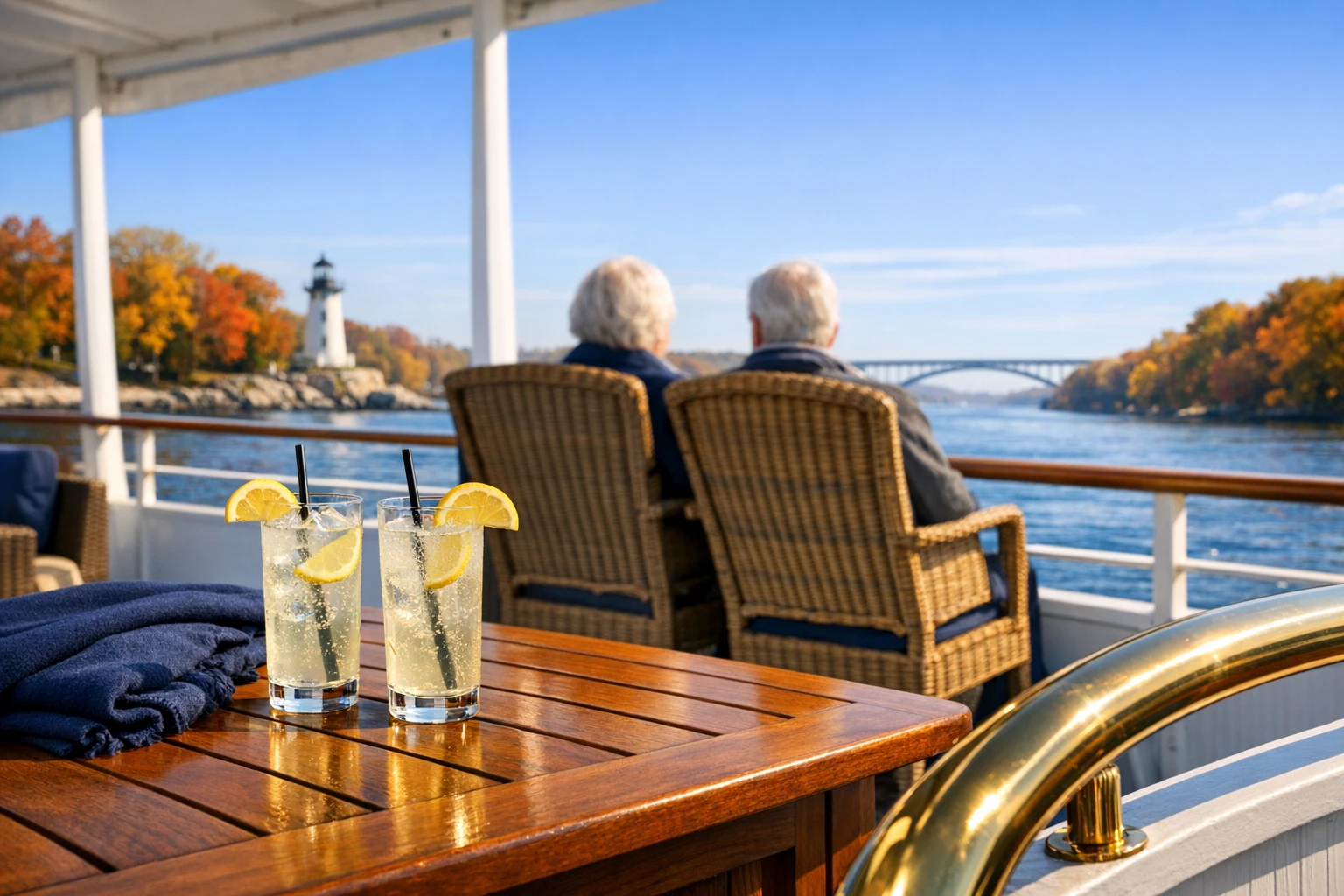
Water-based trips offer similar benefits. A harbor cruise, river sightseeing boat, lake excursion, or overnight stay near a ferry terminal can create a memorable weekend with limited physical demand. Boats often provide seated narration, indoor cabins, and panoramic decks, allowing travelers to enjoy architecture, wildlife, cliffs, bridges, or shorelines from a comfortable vantage point. That can be especially appealing for seniors who want the feeling of exploration without a crowded sightseeing schedule.
When comparing the two, trains are generally better for intercity travel and predictable arrival times, while boat experiences are often best as part of the destination itself. A practical combination is to travel by train to a waterfront city and then enjoy a short narrated cruise the next day. Another easy option is a lakeside hotel where the scenic payoff comes from the view, not the activity list.
Before booking, check a few basics:
- Request assistance at stations, docks, or boarding points if needed.
- Ask whether elevators or ramps are available.
- Confirm restroom access and seat types.
- Choose daytime departures so scenery is visible.
- Book close-to-center lodging to reduce transfers.
There is a special pleasure in this style of trip. The landscape arrives quietly, almost politely. No one needs to chase it. A river bend, a lighthouse, a line of autumn trees, a marina at sunset: these moments are often enough to make a weekend feel rich and complete.
Small Towns, Garden Routes, and Countryside Escapes That Stay Gentle
Not every scenic weekend has to involve grand logistics. In fact, some of the most rewarding trips for seniors happen in compact towns, garden districts, and countryside regions where beauty is easy to reach. These places often combine slower traffic, shorter distances, and a more forgiving rhythm. Rather than trying to see ten attractions, travelers can focus on one or two meaningful experiences: a waterfront lunch, a drive through rolling hills, a historic inn, a conservatory, or an overlook where the horizon seems to settle the mind.
Small towns are especially appealing because many have central districts that can be enjoyed in short, manageable stretches. A traveler might park once, visit a local museum, enjoy coffee near the square, and return to the hotel for rest before dinner. That pattern is much easier than navigating a large city where even simple errands may involve blocks of walking. Places with trolley tours, carriage tours, scenic drives, or accessible visitor shuttles can be excellent choices because they offer context and atmosphere without exhausting the day.
Botanical gardens and estate grounds can also work well when chosen carefully. Some have tram service, wheelchair rentals, paved pathways, and plenty of seating. Others may be too large or uneven for a comfortable visit, which is why advance research matters. The ideal garden outing for a senior with limited walking is one where the entry, restroom, café, and main highlights are close together. Even thirty or forty minutes among flowers, fountains, and well-kept trees can feel deeply restorative. A garden does not need to be vast to be memorable.
Countryside weekends add another advantage: the drive itself becomes part of the attraction. Scenic byways, vineyard roads, lakeshores, and mountain loops allow older travelers to enjoy changing landscapes from the car. Stops can be selective and brief, such as a viewpoint, farm stand, covered bridge, or accessible visitor center. This gives a sense of movement and discovery without forcing a demanding schedule.
Good features to look for in a gentle countryside getaway include:
- Rooms with a view, balcony, or easy outdoor seating
- Nearby dining so evening outings stay simple
- Accessible museums, historic homes, or galleries
- Short scenic drives with frequent pull-offs
- Towns with benches, level sidewalks, and public restrooms
These destinations shine because they invite travelers to notice small pleasures. Church bells in the distance, a porch rocker at dusk, roses climbing a fence, geese on a pond, morning light on old brick storefronts: none of it asks for speed. For many seniors, that is exactly the point.
Planning for Limited Walking: Lodging, Mobility Support, and Energy Management
A scenic weekend becomes easier and more enjoyable when practical planning happens before departure. Seniors with limited walking often know from experience that small oversights can become major frustrations. A hotel room at the far end of a long corridor, a restaurant reached only by stairs, or a parking garage several blocks away can drain energy quickly. The right preparation does not remove spontaneity; it protects it. When the essentials are handled, the trip has more room for pleasure.
Lodging deserves close attention because it shapes the entire rhythm of a weekend. A hotel may work well if it has elevators, accessible bathrooms, on-site dining, and easy drop-off access. A resort or lodge can be a strong choice when scenic value is built into the property itself through a terrace, lake view, or garden courtyard. Vacation rentals may offer more space, but they also vary widely in accessibility. Photos can be misleading, so it is wise to ask direct questions about stairs, shower entry, handrails, lighting, and distance from parking to the door.
Transportation should also be matched to comfort level. Driving offers flexibility, especially for travelers who want frequent rest stops and scenic pull-offs. However, it can be tiring for the driver. Train travel reduces that burden, while a small group coach tour may suit seniors who prefer not to navigate at all. The best choice depends on who is traveling, who is driving, and how much support is needed during the trip.
Energy management is another overlooked factor. Many older adults can enjoy a full weekend when activity is spaced sensibly, but struggle when too much is packed into one afternoon. A better pattern is to anchor each day around one primary outing and one secondary pleasure. For example, a boat tour in the morning can be followed by a long lunch and a scenic rest at the hotel rather than another major excursion.
Helpful planning steps include:
- Call ahead to request an accessible room and confirm exact features.
- Ask whether wheelchairs, golf carts, shuttles, or porters are available.
- Pack medications, chargers, and a light layer in an easy-to-reach bag.
- Reserve restaurants instead of waiting in standing lines.
- Travel with a cane, folding walker, or cushion if it improves comfort.
- Build in extra time for check-in, boarding, and transitions.
Finally, consider timing. Early arrivals, midweek departures that stretch into the weekend, and shoulder-season visits often mean quieter lobbies, calmer roads, and more attentive service. That slower setting can be more valuable than any discount. The real luxury for many seniors is not extravagance. It is ease.
Conclusion for Seniors: Finding a Scenic Weekend That Fits Your Pace
The most successful weekend trips for seniors are not defined by distance or prestige. They are defined by fit. A lovely view matters, but so does the path to the room. A charming town matters, but so does the bench outside the café. A famous route may sound impressive, yet a simpler destination can bring more joy when it matches mobility needs, energy levels, and personal interests. That is why scenic weekend trips for seniors with limited walking are not a narrow category. They are a thoughtful way of traveling.
For some travelers, the ideal choice will be a train ride with river views and a hotel near the station. For others, it may be a lakeside inn, a historic village with trolley tours, or a countryside drive with just a handful of carefully chosen stops. None of these options asks seniors to give up beauty, curiosity, or comfort. On the contrary, they show that travel can become more satisfying when the pace is realistic. When each part of the weekend is manageable, the mind is freer to enjoy what is actually there.
A useful way to choose is to match trip style to priority:
- If comfort comes first, choose one scenic hotel with easy dining and a strong view.
- If variety matters most, pick a compact town with short outings and places to sit.
- If the journey itself sounds appealing, select a daytime rail route or narrated boat ride.
- If flexibility is essential, plan a drive with overlooks, cafés, and restful return points.
There is no prize for covering the most ground. The better goal is to come home pleased, not depleted. Seniors who plan around access, rest, and scenery often discover that short trips can feel surprisingly rich. A single weekend can hold fresh air, a new meal, a beautiful horizon, and the quiet satisfaction of having gone somewhere without overdoing it. That balance is what makes these getaways worth repeating.