5 Retro Gadgets Now Worth Big Money to Collectors
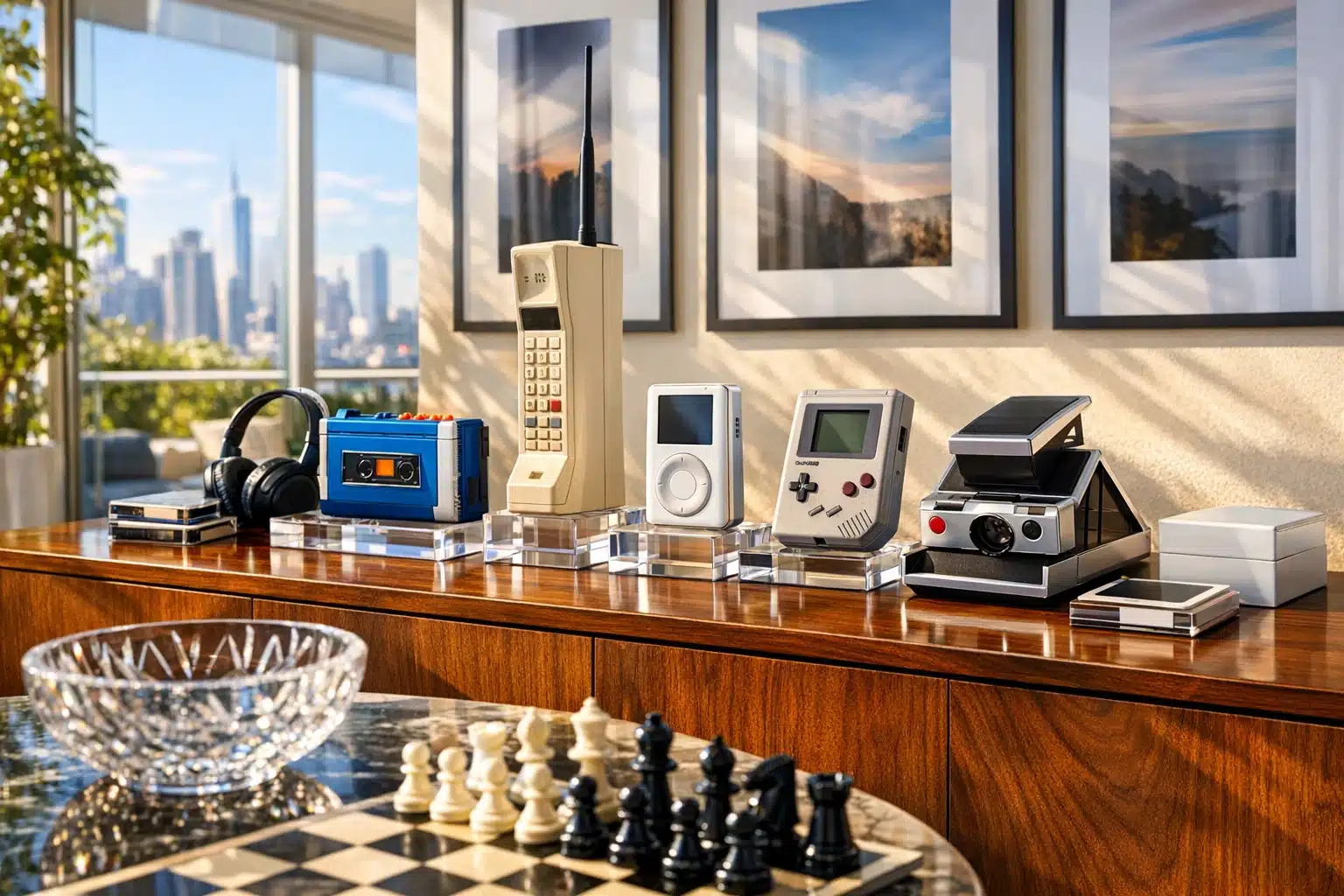
Retro gadgets sit at a fascinating crossroads where memory, design, and scarcity meet. Devices once tossed into drawers are now chased by collectors who see them as milestones in consumer technology rather than outdated tools. A first-edition music player, an early mobile phone, or a boxed handheld game system can now command prices that surprise even longtime owners. Understanding why that happens helps collectors buy with more confidence and avoid expensive mistakes.
Outline:
• What turns an old gadget into a high-value collectible
• Sony Walkman TPS-L2
• Motorola DynaTAC 8000X
• First-generation Apple iPod
• Nintendo Game Boy and rare boxed editions
• Polaroid SX-70 Land Camera
• Practical advice on condition, completeness, and originality
1. Sony Walkman TPS-L2: The Cassette Player That Became a Cultural Relic
If retro gadgets had a hall of fame, the Sony Walkman TPS-L2 would walk in first with its headphones on. Released in 1979, it is widely recognized as the device that helped define personal portable music listening. That alone gives it historical weight, but collectors are not just paying for a story. They are paying for a first-generation object that changed behavior. Before the Walkman, music was something you heard in a room, a car, or through larger equipment. After it, music became something you carried like a private soundtrack.
What makes the TPS-L2 especially collectible is that it is not merely an old cassette player. It is the old cassette player. The blue-and-silver body, dual headphone jacks, and orange hotline button make it visually distinct from later, more common Walkman models. Later units may be lighter, slimmer, and technically better in some ways, but collectors usually reward the pioneering model because it marks the beginning of an era. That difference matters. A late-1980s cassette player might spark nostalgia, while a TPS-L2 can function as both a design object and a landmark of consumer electronics history.
Value depends heavily on completeness and condition. Working units with clean battery compartments and intact doors usually perform far better than rough examples. Add the original box, headphones, paperwork, and matching accessories, and prices can move from the low hundreds into four-figure territory, especially for unusually clean pieces. Market levels shift over time, but the pattern is consistent: originality and completeness drive premiums.
Collectors usually check:
• battery corrosion and internal rust
• playback speed stability
• original labels, screws, and buttons
• box inserts, manuals, and branded headphones
There is also a softer force at work: cultural memory. Films, music history, and the broader revival of analog listening have kept the Walkman visible to younger buyers who never used one in its prime. That cross-generational appeal is gold in the collectibles market. A TPS-L2 in strong condition is more than a gadget on a shelf. It is a small mechanical time capsule, still whispering the moment portable music truly became personal.
2. Motorola DynaTAC 8000X: The Brick Phone That Became a Trophy Piece
The Motorola DynaTAC 8000X is one of those devices that almost looks fictional when seen today. It is tall, angular, heavy, and unapologetically dramatic, like a prop from a future imagined by the 1980s. Yet it was very real. Commercially introduced in 1983, the DynaTAC 8000X became one of the first handheld mobile phones available to consumers, and that pioneering status now gives it major collector appeal. In vintage tech circles, it is not just a phone. It is a symbol of the first truly portable chapter of mobile communication.
Compared with later flip phones or compact Nokia handsets, the DynaTAC is almost absurdly large. That size, however, is part of the charm. Collectors often prize products that clearly show the engineering compromises of their era. The DynaTAC wore its limitations in plain sight: short battery life, high price, and a body that looked more industrial tool than fashion accessory. But those limitations now read as historical fingerprints. They remind buyers how extraordinary the leap to mobile telephony once seemed.
Value is driven by rarity, condition, and display quality. Many surviving units are incomplete, heavily worn, or non-functional. Restored or clean examples with original charging components, antennas, manuals, and packaging can reach much stronger prices than loose display-only phones. Depending on condition and provenance, values can range from a few hundred dollars for rough units to several thousand for outstanding pieces. The key point is not that every brick phone is expensive. It is that early, identifiable, complete examples from the dawn of cellular history command respect in the market.
When comparing the DynaTAC to later vintage phones, collectors usually favor it for three reasons:
• it represents the birth of handheld mobile calling
• its silhouette is instantly recognizable
• it has crossover appeal in technology, design, and pop-culture collecting
There is also a psychological dimension. Owning a DynaTAC is like owning a monument to ambition. It comes from a time when portable communication still felt improbable, expensive, and a little theatrical. For collectors, that matters. The phone does not merely document an old network standard. It captures the moment mobility stopped being a concept and became a thing you could hold, however awkwardly, in one hand.
3. First-Generation Apple iPod: When Digital Music Became Pocket-Sized History
The first-generation Apple iPod occupies a special place in collecting because it sits at the intersection of modern design, digital culture, and brand mythology. Introduced in 2001, the original iPod was not the first MP3 player, but it became the one that changed the category. Its 5GB hard drive, monochrome screen, mechanical scroll wheel, and FireWire syncing now feel wonderfully specific to an early-2000s moment when digital music was becoming mainstream but had not yet dissolved into cloud services and streaming subscriptions.
Collectors value the original iPod for two overlapping reasons. First, it is historically important. Second, many surviving units have been heavily used, modified, or stripped of original packaging. That creates a sharp divide in the market. An opened and worn first-generation iPod can still be desirable, but the real premiums appear when a unit is complete, clean, and especially if it remains factory sealed. Sealed examples have produced standout auction results far above the prices of typical used units, because they appeal not just to gadget enthusiasts but also to serious Apple collectors and investors in design memorabilia.
Compared with later iPods, the first model has a purity that collectors love. It lacks the color screens, video features, and miniaturization of later versions, but it has the historical advantage of being the starting point. That is often enough to shift value dramatically. A third- or fourth-generation iPod may be more practical to use, yet the first generation is usually the one that anchors a collection.
Important details include:
• the original box and internal inserts
• FireWire cable, charger, and documentation
• matching serial information where available
• signs of replacement parts, especially the front plate or drive
Condition can be tricky because batteries age, hard drives fail, and some restorations improve function while lowering originality. That tension is common in collectible electronics. A refurbished iPod may work better, but a highly original example often attracts more serious buyers. In collector language, untouched matters. The first iPod is a reminder that objects from the digital age can age into artifacts just as gracefully as mechanical cameras or radios. Its click, its wheel, and its polished steel back carry the energy of a product that once felt like the future and now feels like history you can slip into a pocket.
4. Nintendo Game Boy: A Handheld Classic Whose Best Examples Keep Rising
The original Nintendo Game Boy is one of the clearest examples of how childhood technology can mature into a serious collectible. Released in 1989, the chunky gray DMG-01 model was not the most powerful handheld of its day, yet it won on battery life, software, durability, and timing. For many people, it was a first truly personal game machine. That emotional bond still fuels demand, but nostalgia alone does not explain the strongest prices. Scarcity in high-grade condition is what separates common survivors from premium collectibles.
Loose Game Boy units are still relatively accessible, which sometimes causes newcomers to underestimate the category. The story changes quickly once condition and completeness enter the picture. Boxed systems with crisp cardboard, inserts, manuals, and minimal screen wear are much rarer than the internet makes them seem. Most original owners actually used their Game Boys, stuffed them into backpacks, peeled labels, and lost packaging. As a result, truly clean complete-in-box examples command strong premiums, and rare regional bundles or special editions can move much higher still.
Another reason the Game Boy remains attractive is that it offers several levels of collecting. A beginner can buy a standard loose unit and start learning the market. A more advanced buyer can chase unusual variants, sealed systems, promotional bundles, or limited editions tied to specific releases. That layered market helps sustain long-term interest. The base model is familiar, but the deeper you go, the more hidden corners you find.
Collectors often compare the original Game Boy with later versions such as the Game Boy Pocket or Game Boy Color. Those later systems are slimmer and easier to use, but the DMG-01 usually carries more symbolic weight because it launched the line. In collectibles, “first” frequently beats “better.”
Features that push value upward include:
• original packaging with matching inserts
• a clean screen lens and low shell wear
• rare edition colors or branded bundles
• documented provenance or unusually high-grade preservation
The Game Boy also has remarkable cross-market strength. It appeals to game collectors, Nintendo historians, design enthusiasts, and people who simply want a piece of late-1980s handheld culture. Few gadgets bridge utility, memory, and market demand as neatly as this one. On the right shelf, even that humble gray rectangle starts to look less like a toy and more like a cornerstone of portable entertainment history.
5. Polaroid SX-70 Land Camera: A Folding Instant Camera with Enduring Collector Magnetism
The Polaroid SX-70 Land Camera proves that collectible gadgets do not need to beep, scroll, or connect to anything to command attention. Introduced in the early 1970s, the SX-70 became famous for its folding design, instant film system, and elegant industrial styling. Closed, it looks almost impossibly slim for its era. Opened, it becomes a sculptural object with bellows, mirrors, and a distinctly futuristic profile. For collectors, that dramatic transformation is part of the magic. It feels less like using a gadget and more like unfolding a clever machine from a well-kept secret.
Unlike many instant cameras, the SX-70 also benefits from being visually beautiful in a way that appeals beyond photography circles. It attracts camera collectors, design lovers, and buyers drawn to analog processes. That broad appeal supports prices. Standard used examples can still be found at approachable levels, but clean, working cameras with original cases, manuals, boxes, or special finishes rise noticeably in value. Refurbished units from reputable specialists also hold strong interest because they are easier to use today, especially with modern film availability from Polaroid.
Comparison helps explain the SX-70’s standing. Later Polaroid cameras, including many plastic-bodied point-and-shoot models, are often fun and collectible in their own right, but the SX-70 is usually treated as the premium classic. Its folding SLR design, more sophisticated handling, and iconic silhouette separate it from the simpler OneStep-style cameras that followed. In collector terms, it feels like the flagship rather than the mass-market descendant.
Before buying, it helps to inspect:
• bellows condition and signs of light leaks
• mirror clarity and viewfinder cleanliness
• roller condition and film ejection behavior
• whether the camera has been serviced or modified
The SX-70 occupies a sweet spot in the retro market because it is both display-worthy and usable. That combination matters. Some collectibles survive mainly as museum pieces, but the SX-70 can still make photographs, which keeps it alive in the hands of artists as well as collectors. It has the rare ability to feel refined, mechanical, and intimate all at once. When one folds open with a soft click, the moment carries a little stagecraft. Suddenly the past is not sitting quietly on a shelf. It is making pictures again.
Conclusion: What Collectors Should Watch Before Spending Serious Money
For collectors, the lesson is simple: value in retro gadgets usually comes from a mix of first-generation importance, low survival rates in top condition, strong visual identity, and cultural memory. The five devices above are not valuable just because they are old. They matter because they changed how people listened, called, played, stored music, or took photographs. If you plan to collect, focus less on age alone and more on originality, completeness, documented accessories, and clean preservation. A scratched unit with missing parts may still be interesting, but a complete example with its box can live in a very different price bracket.
It also pays to buy patiently. Study sold listings, compare regional markets, learn common faults, and do not assume every “vintage” gadget is rare. The smartest collectors usually build their edge through observation, not speed. If you enjoy the thrill of uncovering forgotten tech at estate sales, auctions, or the back of a family closet, this corner of collecting can be deeply rewarding. Sometimes the object that once played mixtapes or displayed a simple game screen turns out to be more than old hardware. It becomes a small, valuable witness to how everyday technology changed the shape of modern life.