3-Night All-Inclusive Resort Stay in Liverpool
Outline:
– Why a 3-night all-inclusive city resort stay in Liverpool makes sense.
– What “all-inclusive” usually covers in a UK city and how to read the fine print.
– A 3-day, 3-night sample itinerary that balances culture and calm.
– Choosing your base: waterfront, city centre, or leafy edges.
– Smart booking, budget, and timing tips—plus who will love this stay.
Why a 3-Night All-Inclusive City Resort Stay in Liverpool Makes Sense
Three nights is a sweet spot for shaking off routine without the planning tangle that longer trips can create. Fold in an all-inclusive plan and the experience shifts again: you free your head from the endless micro-decisions about where to eat, what to budget each day, and which extras to skip. In a compact, culture-rich city like Liverpool, this model clicks because sights cluster close together, transit is simple, and the waterfront-to-city-core transition is easy on foot. You spend more time doing, less time dithering, and the cost picture is clearer from the start.
Urban resorts operate differently from their beach counterparts, and that plays to a city break’s rhythm. Expect a hub for sleep, dining, wellness, and maybe a rooftop or pool, set within walking or short-ride distance of galleries, maritime heritage spaces, performance venues, independent cafés, and open squares. The days can be full—architecture trails, riverside strolls, football history, or indoor markets that speak of centuries of trade—yet you always have the option to return for a swim, a sauna, and a slow dinner without chasing bookings. That blend of exploration and cocooning is what makes a 3-night stay feel longer than the calendar says.
Who tends to love this format?
– Time-poor professionals who want culture and cuisine without budgeting guesswork.
– Couples keen on a stress-light mini-moon with wellness time built in.
– Friends’ groups balancing varied tastes, where one person craves museums and another craves the spa.
– Families who value predictable mealtimes and quieter evenings after energetic days out.
– Solo travelers seeking both independence in the city and security on return to a calm base.
From a value perspective, all-inclusive helps anchor total cost in a destination where weather can nudge plans indoors. If a rainy evening shifts you from a riverside walk to the pool, or from a street-food hunt to a candlelit dining room, your budget doesn’t lurch. Add the city’s musical pedigree, storied docklands, and friendly, straight-talking energy, and three nights begin to look like a restorative sprint—enough to taste the place, not so long that planning becomes a second job.
What “All-Inclusive” Usually Means in a UK City—and How to Read the Fine Print
City-based all-inclusive packages in the UK are less standardized than coastal equivalents, so it helps to decode the headline. A common package centers on three daily meals, select alcoholic and soft drinks, and access to leisure facilities such as a pool, gym, or spa relaxation area. Some properties fold in a short list of activities—yoga sessions, cocktail demos, riverfront walks—while others offer dining credits you can apply across multiple restaurants on-site. The trick is understanding coverage hours, menu scope, and whether premium items or room service sit outside the umbrella.
Look for clarity on these points:
– Meals: Is lunch a buffet or a set menu? Are there à la carte choices at dinner, or themed nights?
– Drinks: Are house wines, beers, and simple mixed drinks included all day or only during mealtimes?
– Facilities: Does spa access include thermal suites, or is it pool-and-gym only? Are treatments discounted or fully separate?
– In-room: Are minibars, coffee capsules, and late-night snacks part of the plan?
– Extras: Is parking bundled? Are local transit passes or attraction discounts included?
To weigh value, compare typical city prices. As a rule of thumb in large UK cities: coffee or tea often ranges £3–£4, a casual lunch £12–£18 per person, a mid-range dinner £20–£35 per person, a glass of wine £6–£9, and a classic cocktail £8–£12. Museum entry is frequently free or donation-based, while special exhibitions can be £8–£18. With those numbers, a couple paying à la carte might spend £70–£110 per day on meals and basic drinks, rising to £120–£160 with dessert courses and a couple of cocktails. If your package is priced near or below that daily food-and-drink estimate—and includes leisure access—you’re likely capturing solid value, especially on a chilled, weather-shy evening when staying in makes sense.
What tends to be outside the bundle?
– Treatments: Massages and facials are commonly extra, with rates around £60–£120 for 50–75 minutes.
– Premium pours and fine wines: Usually excluded or offered with a supplement.
– Late check-out and parking: Sometimes included at higher tiers, often separate.
– Specialty experiences: River cruises, stadium tours, or theater tickets usually sit beyond the package.
Read timing notes carefully. Some plans start at a specific hour on arrival day and end after breakfast on departure, while others count 72 hours from check-in. If you arrive late on day one, ask if lunch the next day can be added without charge; a polite query often unlocks flexibility. Finally, scan for cancellation windows and rescheduling options. Urban travel can pivot quickly, and a well-regarded property will often provide moderate flexibility if you give reasonable notice.
A 3-Day, 3-Night Sample Itinerary Balancing Culture and Calm
Arrival day, afternoon: Check in, drop your bags, and take the pulse of the place. Start with an unhurried swim or a steam to shake off travel stiffness, then stroll the riverside. You’ll find wide promenades, handsome brick warehouses, and public art dotted among former dock basins now shimmering with reflected sky. Aim for an early dinner on-site; it sets the tone and lets you sample the kitchen’s approach without the pressure of reservations elsewhere. Afterward, slip out for an hour to hear live music in a small venue or wander lit-up streets with a cup of something warm; the glow on the water after dusk can feel like a second city revealing itself.
Day two: Breakfast early and head for a self-guided architecture trail. From grand civic halls to neo-gothic stonework and contemporary glass, the skyline tells a layered story. Dip into a maritime collection or a free-entry gallery, then pause for an included lunch back at the resort to reset. Afternoon options include a river cruise, a cathedral tower ascent for wide-angle views, or a guided walk that threads through historic quarters. If football is your thing, a stadium area visit—with a museum stop—makes a satisfying couple of hours. Evening brings a longer dinner, perhaps with a tasting menu upgrade if your plan allows; round it out with a nightcap at the bar or a slow wander past restored quays.
Day three: Choose your flavor—nature, neighborhoods, or niche museums. For fresh air, ride an easy train toward dunes and pinewoods where red squirrels sometimes dart between trees; pack a windproof, as breezes can surprise. Prefer urban discovery? Map a loop of independent cafés, vintage shops, and street art corridors, then return for a swim and a late lunch. Families might opt for an interactive science space or a hands-on history exhibit that rewards curious minds. In the evening, consider a simple ritual: watch the sunset glow tint brick, water, and slate, then sit down for a final dinner you don’t have to plan.
Departure morning: Squeeze in a last swim or a lazy breakfast. If your package ends after breakfast, request luggage storage to free up a couple of hours for a final waterfront walk or a quick souvenir browse. Highlights to remember include:
– River views that change mood with the weather, always photogenic.
– Free or low-cost culture stacked close together.
– The comfort of returning “home” to a pool and a set table each evening.
– A reliable rhythm that makes three nights feel refreshingly full without feeling rushed.
Choosing Your Base: Waterfront, City Centre, or Leafy Edges
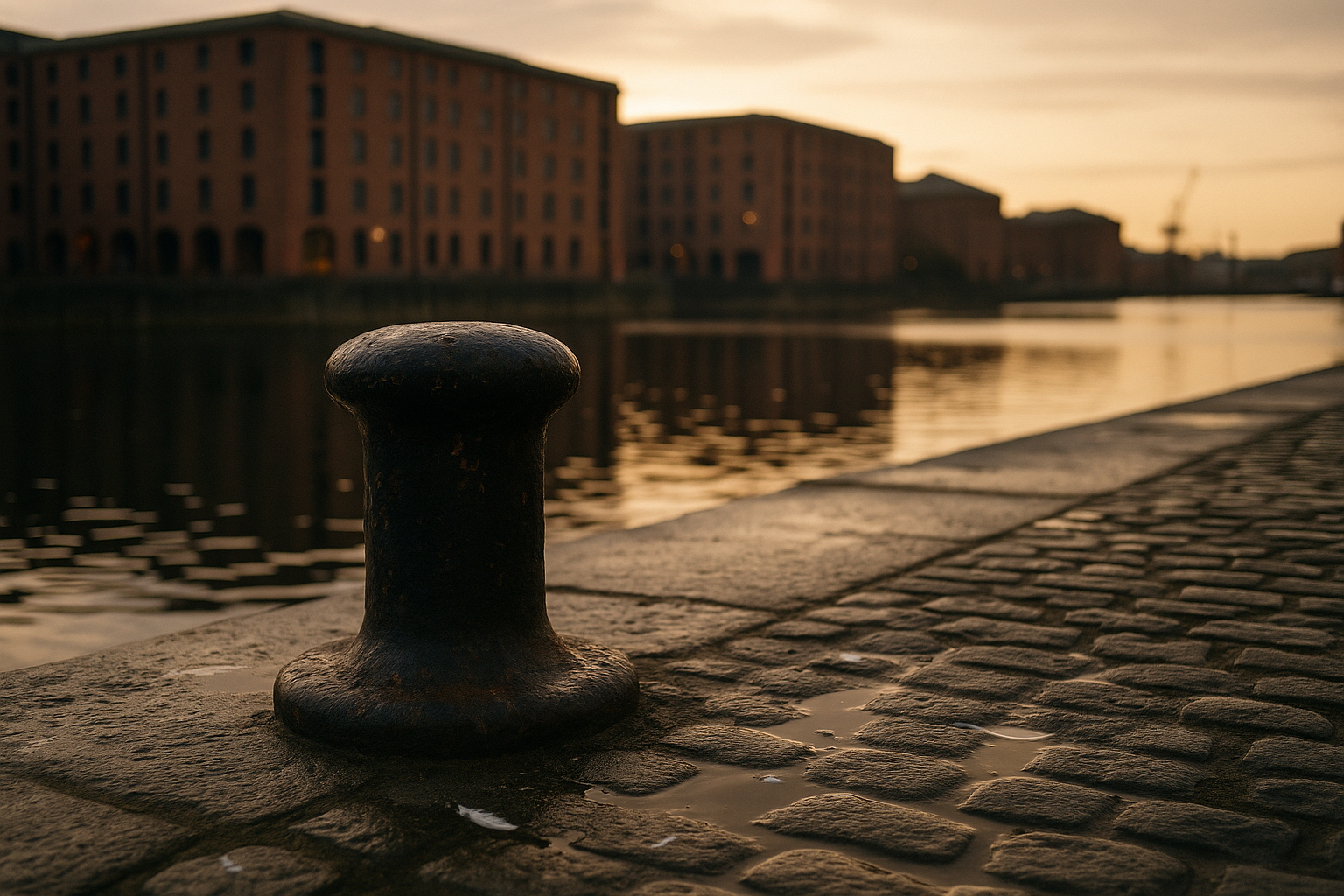
Location shapes the character of an all-inclusive city stay as much as amenities do. A waterfront base wraps you in maritime history: converted warehouses, mooring posts, and the hush of water lapping at stone. Mornings feel cinematic when light skims the dock surface and gulls stitch arcs in the air. You’re a short walk from major museums and wide promenades, and sunsets are often a low-drama spectacle in cooler months. That said, weekend footfall can rise, and rooms with prime views may carry a supplement. If you prize calm, request upper floors facing inner basins rather than streetfronts.
The city centre delivers proximity: dining clusters, shopping arcades, theaters, and quick transit. It favors travelers who count steps and prefer a tight radius. Soundscapes can be livelier late at night, so look for rooms with solid glazing and the option of courtyard views. On the plus side, you gain fast access to guided tours, mid-day returns to the pool between activities, and spontaneity; on the minus side, parking can be limited or paid. Price-wise, all-inclusive city-core packages can be competitive in shoulder seasons when business travel softens.
Leafy edges—think heritage terraces, small parks, and quieter streets—trade immediacy for space. Resorts in these zones often feel retreat-like: light-filled lounges, generous spa areas, and a slower cadence. You might ride a bus or hop a short ride-share into the centre, but you’ll sleep in stillness and often enjoy slightly larger rooms. For travelers seeking a cocoon after packed museum days, this balance can be compelling.
Quick comparison at a glance:
– Waterfront: Evocative views, museum-adjacent, mild weekend buzz; view premiums likely.
– City centre: Everything close, lively nights, limited parking; efficient for short stays.
– Leafy edges: Quiet and spacious, modest transit rides, restorative atmosphere; great for wellness focus.
In terms of pricing, recent examples suggest a range for two adults sharing, all-inclusive: off-peak around £140–£220 per night, mid-peak £170–£260, and high-demand weekends or summer dates £190–£300. Variations hinge on what’s included (drinks breadth, spa access level, late check-out) and whether special events are in town. Always align inclusions with your style: if you value the pool daily, a more leisure-forward property can be worth a slightly higher rate; if you’ll be out exploring most hours, a simpler plan that nails meals and a quiet room may offer exceptional value.
Smart Booking, Budget, and Timing Tips—Plus Who Will Love This Stay
Timing first. Liverpool’s maritime climate brings quick shifts: expect cool springs (around 8–15°C), mild summers (15–20°C), and breezy, photogenic cloudscapes year-round. Shoulder months—April to early June, and September to mid-October—often blend gentler rates with lighter crowds. Winter can be cozy if you enjoy long spa afternoons and early night skies; pack layers and a waterproof shell any time of year. Aim arrivals for early afternoon to maximize day one; if you’re coming by train, midweek services typically feel calmer than Friday peaks.
Build a clear budget. For two adults over three nights, an all-inclusive urban package might total £450–£900 off-peak and £570–£1,200 in popular windows, depending on inclusions and room type. Add a cushion for:
– Spa treatments: £60–£120 each for 50–75 minutes.
– Special exhibitions or tours: £8–£25 per person.
– Local transit day tickets: roughly £5–£7 per person where applicable.
– Gratuities: at personal discretion for standout service.
Booking smarts that pay off:
– Scan for dining credits vs fixed menus; credits add flexibility if you prefer grazing through small plates.
– Check drink hours; if you’re daytime explorers and evening nesters, coverage that extends post-dinner matters more than lunchtime cocktails.
– Ask about room orientation; inner-court or higher floors can soften weekend sounds.
– Verify spa access rules; some pools require advance slots.
– Confirm cancellation windows and whether date changes keep your rate protected.
Getting there and around is straightforward. The city’s airport sits a short drive away, with buses linking to the centre; a larger regional airport about an hour by rail can broaden flight options. Trains connect key UK hubs to central stations in under three hours from several directions, and once in town, walking covers many sights. For longer hops—dunes, coastal paths, or a riverside village—local trains and buses are frequent, and ride-hailing fills gaps late at night.
Who will feel most at home with this format?
– Culture grazers who love stacking galleries, heritage spaces, and live music with minimal planning friction.
– Wellness seekers who crave a daily swim, steam, and unhurried dinners.
– Families who appreciate predictable mealtimes and straightforward budgets.
– Solo travelers who want an easy base with friendly, low-key social spaces.
Final take: A 3-night all-inclusive stay in Liverpool offers a compact, satisfying way to taste a city of docks, song, and spirited conversation without wrestling every detail. Choose a location that matches your pace, make the inclusions work for your habits, and let the river breeze and warm plates carry you from one good hour to the next. With a plan that fits, you’ll step out feeling nourished, not nickel-and-dimed—exactly what a short urban escape should deliver.


