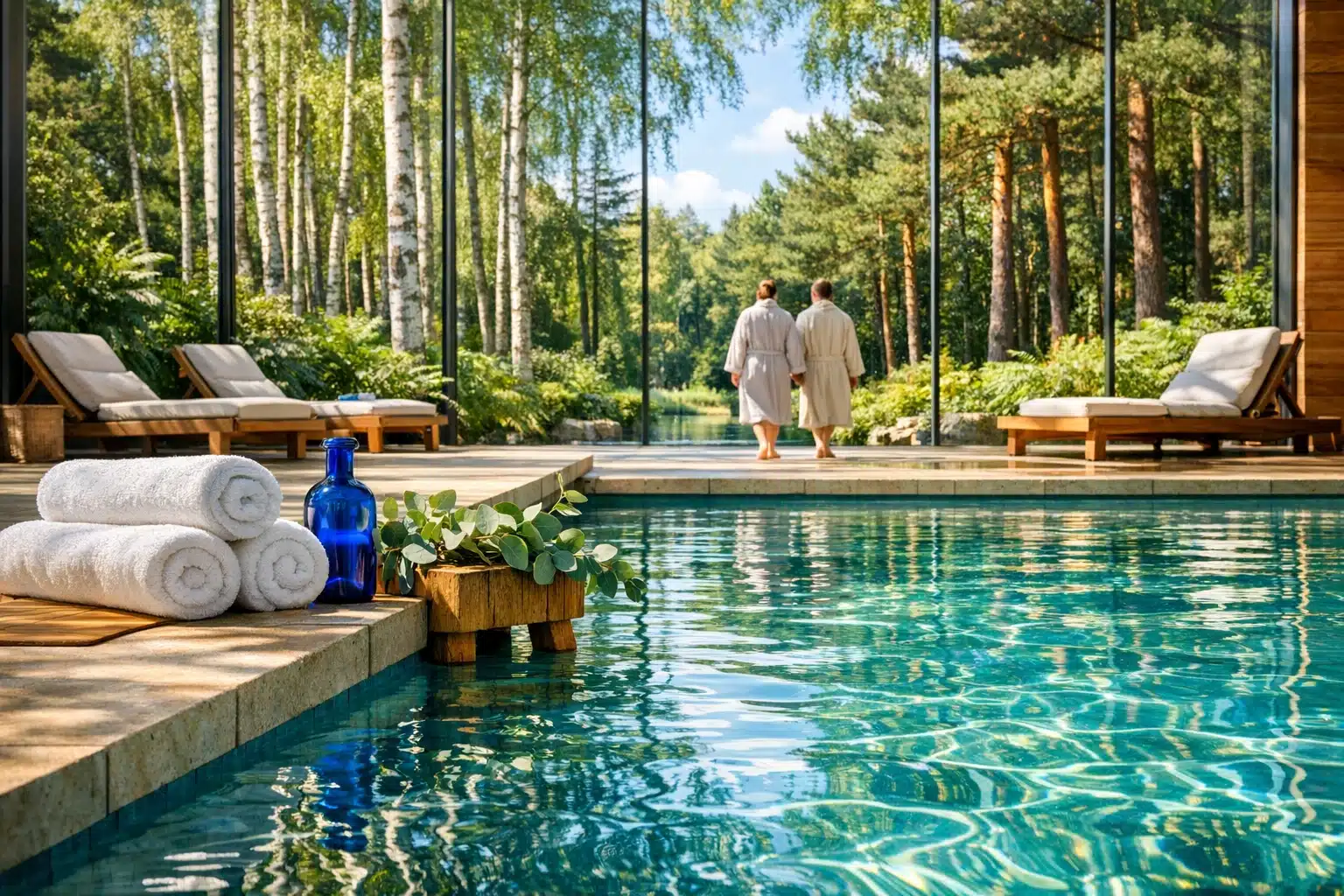
2-night All Inclusive Resort Stay In Sherwood Forest
Few short breaks balance convenience and atmosphere as neatly as a 2-night resort stay in Sherwood Forest. You get the ease of pre-arranged dining, the slower rhythm of a countryside retreat, and a setting shaped by both woodland beauty and centuries of legend. In a travel market crowded with hurried city deals and forgettable hotel bundles, Sherwood feels distinct without becoming complicated. That mix makes the idea especially relevant for travelers who want simplicity, comfort, and a genuine sense of place.
Outline: this article first explains why Sherwood Forest suits a brief resort escape; then it breaks down what a countryside all-inclusive package often covers and how to compare one deal with another; next it maps out a practical and enjoyable two-night itinerary; after that it weighs value against city hotels, self-catering stays, and coastal breaks; finally it closes with a clear conclusion aimed at couples, families, and weekend travelers who want a low-stress booking.
Why Sherwood Forest Works So Well for a Two-Night Escape
Sherwood Forest has an advantage that many countryside destinations do not: people already feel they know something about it before they arrive. The name carries the pull of legend, especially through its connection with Robin Hood, but the appeal is not only literary. Sherwood, in Nottinghamshire, offers a real landscape of ancient oaks, open heath, walking trails, and quiet clearings that make a short stay feel more atmospheric than an ordinary hotel weekend on the edge of a bypass. One of its best-known natural landmarks, the Major Oak, is widely estimated to be between 800 and 1,000 years old, and that sense of age gives the area a depth that is hard to fake. Even when you are simply walking from breakfast to a trailhead, the setting feels rooted in time.
A two-night stay suits this location particularly well because the forest experience does not depend on a huge travel commitment. For many visitors from the Midlands and parts of northern England, Sherwood is reachable within a manageable drive, and those arriving by rail can usually connect via Nottingham and continue onward by local transport or taxi. In practical terms, that matters. A one-night break often feels rushed: you arrive, unpack, eat, sleep, and leave before the place has really settled into your senses. Three or four nights can be wonderful, but not everyone has the time, budget, or appetite for a longer trip. Two nights creates a useful middle ground. You can arrive on Friday or Saturday, enjoy one full day without hurry, and still leave with the feeling that you actually visited rather than merely checked in.
The format also works across several kinds of travelers:
• Couples who want a low-effort romantic weekend without organizing every meal
• Small families who need a manageable escape that does not become logistically heavy
• Friends looking for a shared break with walks, food, and perhaps a spa or pool
• Professionals who want a reset without burning too much annual leave
There is also a subtler benefit. Sherwood Forest gives even ordinary activities a stronger backdrop. Morning coffee tastes different when the window looks onto pines and broadleaf woodland. A short afternoon walk feels richer when the path curves past ferns, birdsong, and old trunks that seem to hold their own weather. In a city, a weekend can disappear into queues, traffic, and restaurant decisions. In Sherwood, the rhythm slows almost by design. That is why the destination works so well for a two-night resort break: it offers enough character to feel memorable, yet it remains easy enough to enjoy without overplanning every hour.
What an All-Inclusive Resort Stay Usually Includes and How to Compare Packages
The phrase all-inclusive can sound straightforward, but in the UK countryside it often means something more limited and more nuanced than the classic beach-resort model many people associate with Mediterranean travel. In a woodland resort setting, the package may include accommodation, breakfast, dinner, selected drinks, and use of on-site facilities, but it does not always mean unlimited premium beverages, constant snack service, or every activity being folded into the base rate. That is not a drawback so much as a reason to read the details closely. A strong package can still deliver excellent value, especially if it removes the biggest budget variables from a short trip.
Common inclusions in a two-night countryside package often look like this:
• Two nights in a standard or upgraded room
• Daily breakfast, usually buffet or set-menu style
• Evening meals on one or both nights
• Tea, coffee, or selected house drinks at certain hours
• Access to leisure facilities such as a pool, sauna, gym, or spa relaxation area
• Family entertainment, guided walks, or bookable activities at either a reduced rate or no added charge
• Parking and basic resort amenities such as Wi-Fi
Where the differences begin is in the detail. One resort may include a full dinner allowance while another offers a restricted menu. One may advertise drinks included, but only during dinner service or only from a house list. Another may headline spa access, only for guests to discover that treatments are extra and must be reserved well ahead of arrival. This is where comparison matters more than marketing language. If you are evaluating offers, ask a few direct questions before booking. What meals are covered and when? Are children charged separately for activities? Is late checkout included? Are there supplements for popular room categories, weekends, or peak school-holiday dates? A deal that looks cheaper at first glance can become less attractive once add-ons start piling up.
As a rough planning range, a two-night countryside resort stay for two in England can vary widely depending on season, room type, and facilities. Budget-conscious off-peak deals may sit in the lower hundreds of pounds, while premium spa-led or family-focused packages can rise much higher. The important comparison is not the headline rate alone but the total trip cost. If breakfast, dinner, parking, and leisure access are bundled in, the gap between a resort package and a room-only booking can narrow quickly.
A sensible comparison checklist includes:
• Room size and view
• Meal quality and dining flexibility
• Drinks policy
• On-site activity access
• Spa or pool usage rules
• Cancellation terms
• Total expected spend, not just the advertised base price
Think of the package as a convenience product as much as a hospitality product. Its real value comes from clarity, reduced decision-making, and the ability to step into the weekend without constantly reaching for your wallet or your phone.
How to Spend the Two Nights: A Practical Itinerary That Feels Relaxed Rather Than Rushed
The smartest way to enjoy a two-night resort stay in Sherwood Forest is to resist the urge to turn it into a race. Short breaks fail when travelers try to force a week’s worth of activity into forty-eight hours. They succeed when the schedule feels shaped rather than stuffed. A good Sherwood itinerary leaves room for fresh air, good meals, and at least one stretch of time in which nothing much is demanded of you.
On the first day, arrival should be part of the experience rather than an obstacle to be survived. If check-in opens in the afternoon, aim to arrive early enough to settle in without sacrificing the evening. Once bags are dropped, take a gentle walk instead of immediately hunting for the perfect photo or the busiest attraction. The purpose is transition. You are letting work, traffic, and errands slide off your shoulders. Many guests find that an hour outdoors before dinner changes the tone of the whole stay. By the time you sit down for the first meal, you are no longer merely elsewhere; you are actually away.
The second day is where the trip earns its reputation. After breakfast, this is the moment for the forest itself. A visit to the Major Oak area, a circular trail, or a ranger-led activity can give the stay a strong sense of place. Trail distances vary, so the day can be adjusted to suit energy levels. Some visitors will want several miles on foot, sturdy shoes, and a proper appetite by lunchtime. Others will prefer a shorter woodland loop followed by time in a spa, pool, or quiet lounge with a book. Both versions work.
A balanced full day might look like this:
• Breakfast at the resort
• Late morning walk or heritage visit in the forest area
• Lunch on site or at a nearby café
• Afternoon leisure time, such as swimming, treatments, cycling, or simply resting
• Early evening drink or tea
• A slower dinner without the pressure of driving anywhere afterward
The best part of this pattern is its flexibility. Families can substitute indoor activities if the weather turns damp. Couples can give the afternoon entirely to wellness facilities or a long conversation by the window. Friends can split the day between trail time and food. By the second evening, the stay often feels longer than it is because the structure creates distinct moods: arrival, exploration, unwinding.
On the final morning, keep things simple. Eat breakfast unhurriedly, take one last short stroll if time allows, and avoid packing the departure with ambitious detours unless they truly add value. A quick stop at a local village, farm shop, or heritage site can be a pleasant coda, but the real achievement of the break is not how much you managed to tick off. It is that you return home steadier, clearer, and with the pleasant sense that the weekend did not vanish in administrative noise.
Value for Money: How a Sherwood Resort Package Compares with Other Short Breaks
When travelers look at the price of an all-inclusive or near-inclusive countryside stay, the first reaction is often to compare it with the cheapest room rate they can find elsewhere. That is understandable, but it can be misleading. The more useful comparison is between complete trips, not bare accommodation. A room-only city hotel might look inexpensive until breakfast, dinner, parking, drinks, and transport are added. A self-catering lodge may seem flexible until you factor in grocery shopping, fuel, and the time spent organizing meals. A coastal weekend can be lovely, but if the weather is poor and the resort has limited indoor options, value can drop quickly. Sherwood sits in an interesting middle position: scenic enough to feel like a retreat, yet structured enough that the guest can still rely on on-site comfort if conditions turn wet or cold.
Consider an illustrative weekend for two. A standard hotel stay booked on a bed-and-breakfast basis might cost a certain amount per night, but then two dinners, a few drinks, parking, and one or two leisure extras can push the total noticeably higher. It is not unusual for a short UK break to grow by well over a hundred pounds once these extras appear. By contrast, a resort package that includes meals and facility access may look more expensive on day one and cheaper by checkout. That predictability has value beyond arithmetic. It reduces decision fatigue.
There are several major drivers of value:
• Whether you would have paid for restaurant meals anyway
• How likely you are to use the spa, pool, trails, or included activities
• The distance you need to travel and the cost of getting there
• The season, since school holidays and summer weekends usually lift prices
• Your preference for convenience versus independence
Compared with self-catering, the resort model wins on ease. You do not need to arrive and begin the holiday by shopping for milk, breakfast supplies, and something to cook later. Compared with a city break, Sherwood often wins on mental space. Cities provide variety, but they also invite more spending and more choices. Compared with a classic seaside weekend, Sherwood usually offers more dependable year-round appeal because the forest, spa facilities, and indoor dining remain enjoyable outside peak summer weather.
That said, an inclusive package is not automatically the best choice for everyone. Travelers who love trying independent restaurants, spending most of the day off-site, or keeping meals spontaneous may find that the bundled format leaves some value unused. If you know you will eat elsewhere, skip the leisure facilities, and treat the room mainly as a base, another style of booking may be smarter. But if you want costs that are easier to forecast, fewer moving parts, and a weekend that begins to feel restful almost as soon as you arrive, Sherwood’s resort format can compare very well. Sometimes what you are buying is not just food and accommodation. You are buying smoothness, and smoothness is often underrated.
Conclusion: Who Should Book This Kind of Stay and How to Get the Most from It
A 2-night all-inclusive resort stay in Sherwood Forest makes the most sense for travelers who value ease, atmosphere, and a clear break from routine. Couples are perhaps the most obvious audience, because the setting naturally supports slow dinners, woodland walks, and a switch from practical talk to quieter conversation. Small families can also benefit, especially if they want a manageable trip where food and entertainment are partly built in. Friends looking for a compact reunion often find the format useful too, since it removes a lot of the usual planning friction. Even solo travelers can enjoy it if the aim is rest, reading, walking, and a change of scenery rather than a packed sightseeing agenda.
The stay may be less suitable for visitors who want intense nightlife, a broad urban dining scene, or a highly independent travel style in which every meal and outing is chosen on the fly. In those cases, a city hotel or self-catering base may fit better. Sherwood works best when you lean into what it offers: calm surroundings, a strong local identity, and a weekend structure that rewards a gentler pace. It is not about doing everything. It is about doing enough, and enjoying it fully.
If you are close to booking, a few practical habits can improve the experience:
• Compare weekend and midweek dates, because shoulder-season prices can be significantly better
• Check exactly which meals and drinks are included
• Reserve spa treatments or popular activity slots early if they matter to you
• Pack suitable footwear for muddy or uneven paths
• Choose a room type that matches the purpose of the trip, whether that is family space, privacy, or a more scenic outlook
• Leave breathing room in the schedule instead of trying to squeeze in every nearby attraction
For the target audience, the real promise of Sherwood is not extravagance. It is coherence. The forest gives the break a sense of place, the resort format removes a layer of logistics, and two nights is just long enough to feel the week loosen its grip. If you want a short trip that feels fuller than the calendar suggests, this is a format well worth considering. You arrive with a small bag and ordinary expectations; if the stay is planned well, you leave with clearer thoughts, tired walking shoes, and the pleasing impression that the weekend was longer than it really was.